

Understanding Interpol Yellow Notices: A Vital Tool for Missing Persons
Interpol Yellow Notices serve a critical function in international law enforcement, primarily aimed at locating missing persons, especially minors or individuals who are unable to identify themselves. These notices help facilitate the exchange of crucial information among member countries. For an insight into how these notices work, you can visit Interpol Yellow Notice https://trailkeeper.org/pages/how-interpol-yellow-notice-works.html.
What is an Interpol Yellow Notice?
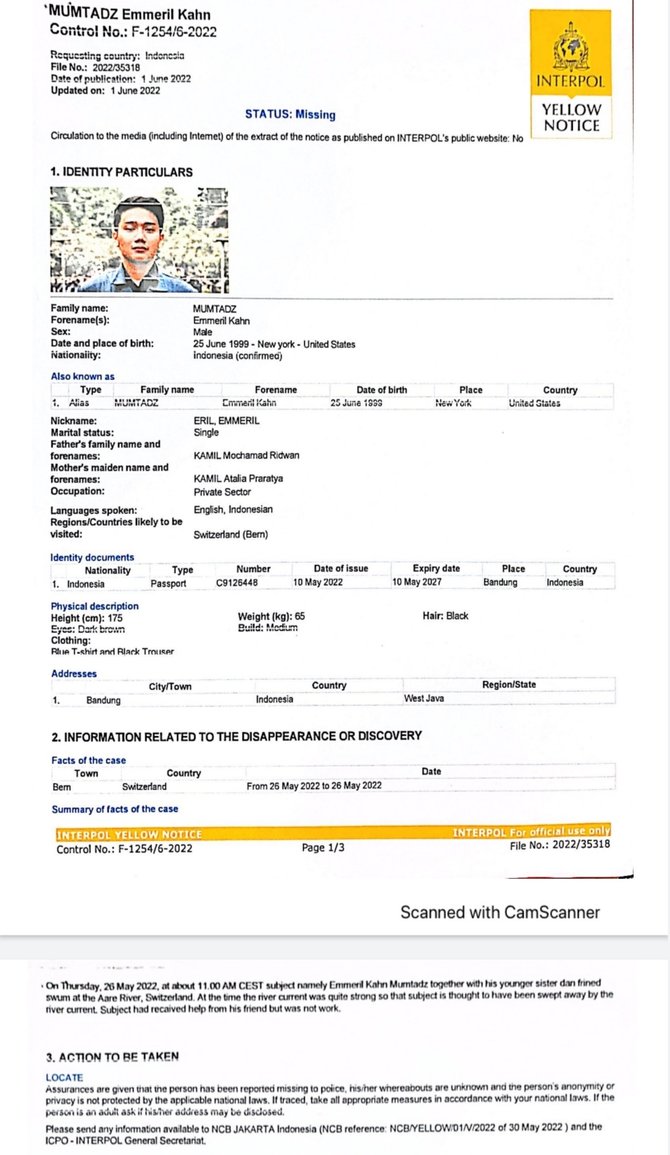
Interpol Yellow Notices are international alerts used by law enforcement globally to help locate missing persons, particularly those who are minors or are unable to identify themselves due to various circumstances. These notices can be issued when a person is reported missing, and they enable countries to share vital information across borders. The overarching goal is to facilitate the recovery of missing individuals and to assist law enforcement agencies in their search efforts.
The Purpose and Scope of Yellow Notices
The primary purpose of a Yellow Notice is to locate and identify missing persons, assisting law enforcement in investigative efforts regarding situations such as abductions. These notices also play a significant role in identifying individuals who are unable to identify themselves, such as those suffering from disabilities, language barriers, or mental health issues.
Key Features of Yellow Notices
- International Collaboration: Yellow Notices promote cooperation between law enforcement agencies in different countries, allowing them to share information rapidly.
- Access to Data: Interpol maintains an updated database where member countries can input information regarding missing persons, which can be accessed by other member countries.
- Identification Support: Yellow Notices assist authorities in identifying individuals who cannot provide personal details, thereby enabling a quicker reunification with their families.
The Process of Issuing a Yellow Notice
The process to issue a Yellow Notice typically begins with a national law enforcement agency responding to a missing persons report. Upon gathering pertinent details regarding the individual in question, such as physical descriptions, photographs, and any other relevant information, the agency submits this data to Interpol.
Once Interpol receives the request, they review and validate the information before disseminating the Yellow Notice to member countries around the globe. This system ensures that the notification is circulated quickly and efficiently, maximizing the chances of recovering the missing person.
Case Studies Highlighting the Effectiveness of Yellow Notices
Several cases across the globe exemplify the efficacy of Yellow Notices in successfully locating missing persons. For example, in 2021, a Yellow Notice was issued for a missing child in Europe, leading to crucial tips from the public that ultimately restored the child to their family within a few days. Such real-world instances underline the critical importance of international cooperation in addressing issues of missing persons.
Challenges in the Implementation of Yellow Notices
Despite their significance, implementing Yellow Notices is not without challenges. Variability in legal frameworks, different protocols for reporting missing persons, and varying levels of commitment and resources among member countries can all impede the effectiveness of this vital tool. Additionally, some countries may face biases in data sharing, which can further complicate international collaboration.
The Future of Yellow Notices Within Interpol
As technology advances and the world becomes increasingly interconnected, the role of Yellow Notices is expected to evolve. With the rise of social media and digital communication, there will be new avenues for disseminating information quickly and broadly. Innovations in data sharing and real-time updates are anticipated to enhance the efficiency and effectiveness of Yellow Notices, ensuring that they remain a cornerstone of international collaborative efforts to address missing persons cases.
Conclusion
In conclusion, Interpol Yellow Notices represent an essential mechanism in the global effort to locate missing persons. By facilitating communication and cooperation among law enforcement agencies around the world, these notices play a pivotal role in restoring families and ensuring the safety of vulnerable individuals. Continuous improvement and adaptation of processes surrounding Yellow Notices will be crucial as we move forward into an increasingly complex global landscape.

