In limited partnerships (LPs), general partners manage operations of the firm and have full liability. Limited (silent) partners are not involved in day-to-day operations and enjoy limited liability. In an LLP, partners are not exempt from liability for the debts of the partnership, but they may be exempt from liability for the actions of other partners. A limited liability limited partnership (LLLP) combines aspects of LPs and LLPs. The Uniform Partnership Act only applies to general and limited liability partnerships (LLPs).
- 9945 in preparation of their 2024 tax return and prepares and attaches Worksheet B to their Form 1040.
- TEFRA created the unified partnership audit and litigation procedures (TEFRA partnership procedures) of sections 6221 through 6234 (prior to the amendments by the BBA).
- The sole proprietor, Partner A, will give the new partner, Partner B, an equal share in the partnership.
- Any gain recognized is generally treated as capital gain from the sale of the partnership interest on the date of the distribution.
- They agreed to admit a fourth partner, Partner D. As in the previous case, Partner D has a number of options.
How to Form a Partnership
- It applies to payments made for the partner’s share of unrealized receivables and goodwill not treated as a distribution.
- Partners’ salariesIn some ways, the term ‘salaries’ is a misleading description.
- The interest on the loan will be a business expense and should therefore be debited to the statement of profit or loss.
- On the other hand, interest on drawings is a loss to the partner and debits to his Current/Capitals Account.
- It involves the systematic recording, analysis, and reporting of the financial transactions and activities of the partnership entity.
- This treatment applies to the unrealized receivables part of payments to a retiring partner or successor in interest of a deceased partner only if that part is not treated as paid in exchange for partnership property.
- Mismanagement in these allocations can lead to discrepancies that may invoke scrutiny from tax authorities.
Because the partners share recourse and nonrecourse liabilities differently, their bases must be adjusted to reflect the new sharing ratios. If a decrease in a partner’s share of liabilities exceeds the partner’s basis, they must recognize gain on the excess. For more information, see Effect of Partnership Liabilities under Basis of Partner’s Interest, later.

Common Adjustments in Partnership Accounts
Always try to resolve your problem with the IRS first, but if you can’t, then come to TAS. You may partnership accounting be able use the Document Upload Tool to respond digitally to eligible IRS notices and letters by securely uploading required documents online through IRS.gov. Go to IRS.gov/Forms to view, download, or print all the forms, instructions, and publications you may need. Partner amended return filed as part of modification of the imputed underpayment during a BBA examination.
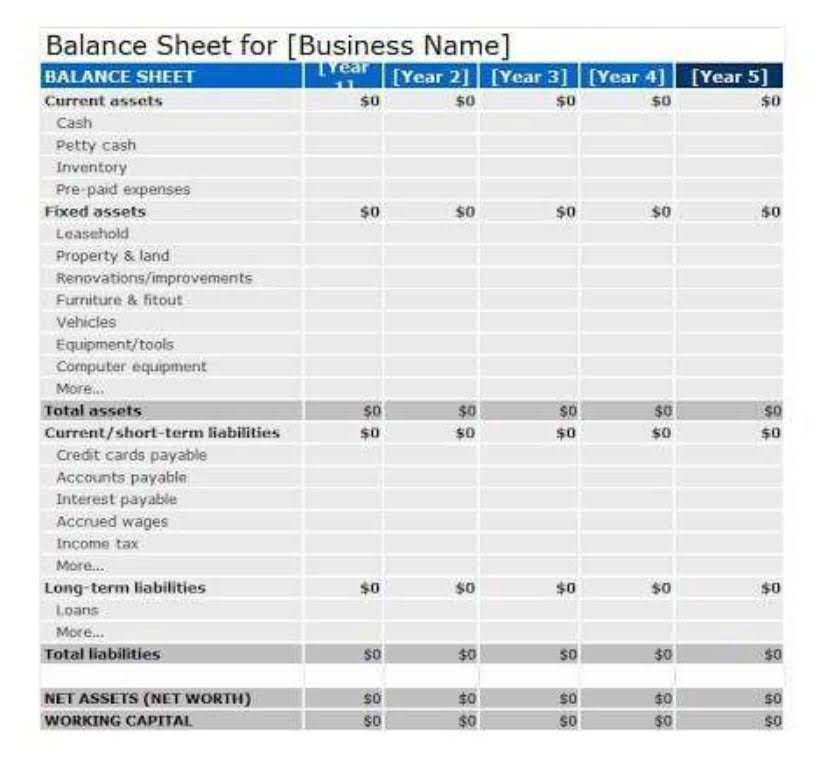
Accounting for partnerships.
- If expenses exceed revenues of the period, the excess is a net loss of the partnership for the period.
- These practices not only provide a clear financial picture but also help in building trust among partners and stakeholders.
- According to Sec. 4 of the Indian Partnership Act, 1932, “Partnership is the relation between persons who have agreed to share the profits of a business carried on by all or any one of them acting for all.
- Partnership accounting refers to the process of keeping track of the financial transactions and performance of a business that is jointly owned by two or more individuals or entities.
- This awareness mitigates risks and enhances the partnership’s overall sustainability and success.
- Some of the most complex corporate organizations are partnership companies.
- Under this method, partnerships recognize revenue when services are rendered or goods are delivered.
By implementing robust policies, utilizing accounting software, and seeking professional advice, partnerships can overcome these challenges and ensure accurate financial reporting and compliance with relevant standards. Effective communication, regular reviews, and a detailed partnership agreement are also crucial for maintaining harmony and transparency among partners. Through these practices, partnerships can enhance their financial health and make informed business decisions. Properly recording Bookkeeping for Startups transactions is essential for maintaining accurate financial records and ensuring transparency in the partnership. Key transactions include investments and contributions by partners, the allocation of profits and losses, and partner withdrawals and distributions. Together, a well-structured partnership agreement and meticulously maintained capital accounts are fundamental components of effective partnership accounting practices, enabling lawful and fair financial management within a partnership structure.
FreshBooks – Software for Partnership Accounting

Property B has an adjusted basis to the partnership of $10,000 and an Accounting Periods and Methods FMV of $10,000. Unless there is a complete liquidation of a partner’s interest, the basis of property (other than money) distributed to the partner by a partnership is its adjusted basis to the partnership immediately before the distribution. However, the basis of the property to the partner cannot be more than the adjusted basis of their interest in the partnership reduced by any money received in the same transaction. A “qualified joint venture,” whose only members are spouses filing a joint return, can elect not to be treated as a partnership for federal tax purposes.